Finasteride for Hair Loss: Can It Restore Hair Density?
- Anousha syed
- Apr 7
- 3 min read

Hair density refers to the number of hair strands on the scalp within a specific area. Higher density generally means thicker, fuller-looking hair, while lower density may result in a thinner appearance. Hair density naturally varies among individuals and can decrease due to genetic factors, aging, or hormonal changes.

How Hair Loss Affects Density
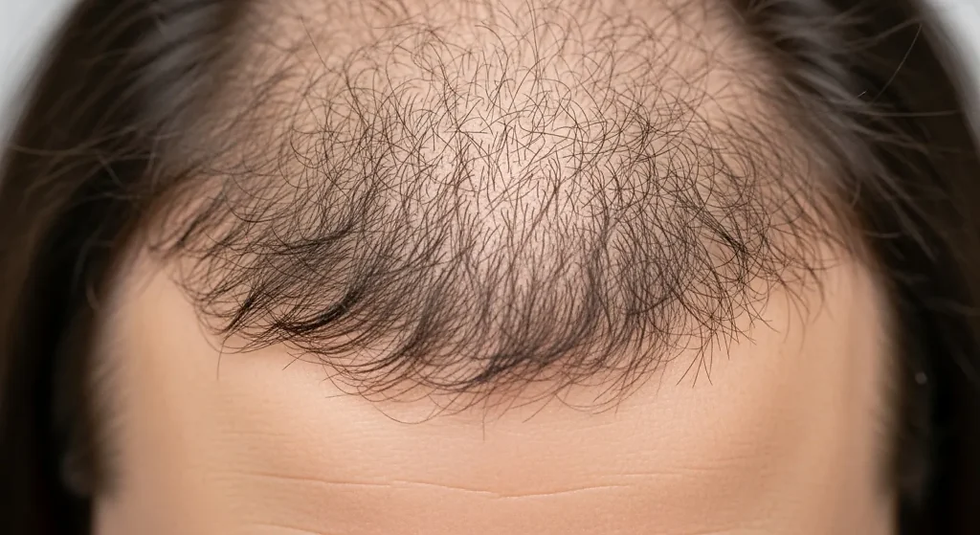
Finasteride for Hair Loss in Dubai often starts gradually and affects the scalp unevenly. The thinning of hair occurs when hair follicles shrink over time, producing finer, shorter strands. This process reduces overall hair density and can change the visual appearance of fullness. Maintaining or restoring hair density is a common goal for those experiencing hair loss.
What Finasteride Does
Finasteride is a medication that targets the hormonal cause of hair loss. It works by inhibiting the conversion of testosterone into dihydrotestosterone (DHT), a hormone that can shrink hair follicles and shorten the growth phase of hair. By lowering DHT levels, finasteride helps hair follicles maintain their size and function, which can prevent further thinning and promote healthier hair growth.
Mechanism of Hair Density Restoration
The restoration of hair density with finasteride occurs gradually. Hair follicles that were previously shrinking may stabilize and begin producing thicker strands again. Over several months, these improvements can accumulate, leading to noticeable changes in the overall density of hair. While finasteride does not create new follicles, it strengthens existing ones, helping to restore fullness.
Timeline for Results
Improvement in hair density with finasteride typically follows a structured timeline. Initial results may be observed within three to six months, often as slower hair loss and minor thickening of existing strands. More significant improvements generally appear after six to twelve months of consistent use. Long-term use helps maintain these benefits, as stopping treatment may allow DHT levels to rise and hair thinning to resume.
Factors Influencing Effectiveness
Several factors can affect how well finasteride restores hair density.
Age and Stage of Hair Loss
Earlier intervention usually yields better results. Individuals in the initial stages of hair thinning are more likely to experience noticeable density improvement. Advanced hair loss may limit the ability to restore fullness entirely.
Genetic Predisposition
Genetics play a major role in hair loss patterns. Those with a strong family history of hair thinning may respond differently to treatment compared to individuals with milder genetic predisposition.
Consistency of Use
Regular, continuous use of finasteride is essential. Skipping doses or inconsistent application can reduce effectiveness and slow progress in restoring hair density.
Observing Hair Quality Changes
In addition to density, finasteride can improve the quality of hair. Strands often become thicker and stronger, giving the scalp a fuller appearance. Early signs of improvement may include reduced shedding, slower thinning, and a softer texture of existing hair.
Combining With Healthy Hair Practices
While finasteride directly targets hormonal causes, maintaining a healthy hair routine can support overall results. Adequate nutrition, gentle hair care, and protecting hair from harsh treatments can help optimize the appearance of restored density.
FAQs
How Long Does It Take to See Noticeable Density?
Most individuals observe initial changes within three to six months, but full improvement typically requires six to twelve months of continuous use. Patience is key, as hair growth cycles naturally take time.
Can Finasteride Regrow Completely Bald Areas?
Finasteride is most effective in restoring density where hair follicles are still active. Completely bald areas with inactive follicles may not experience significant regrowth, but existing thinning areas can become fuller.
Is Hair Quality Also Improved?
Yes, finasteride can enhance the thickness and strength of hair strands, contributing to a denser appearance even if the number of follicles remains the same.
Will Stopping Finasteride Affect Density?
Discontinuing treatment can allow DHT levels to rise, potentially resuming the thinning process. Maintaining consistent use is important to preserve restored hair density.
Can Finasteride Be Used With Other Treatments?
Finasteride can be used alongside general hair care routines that support scalp health. Healthy practices can complement the medication’s effect but are not substitutes for its hormonal action.
Conclusion
Finasteride for Hair Loss offers a scientifically supported approach to restoring hair density by targeting the hormonal mechanisms behind hair thinning. While it does not create new hair follicles, it strengthens existing ones, slows further thinning, and promotes fuller, thicker hair over time. Consistent use, combined with supportive hair care practices, can help individuals achieve noticeable improvements in density. Patience and commitment to treatment are essential, as results accumulate gradually within months, providing a long-term pathway to maintaining a healthier, denser-looking scalp.


Comments