Picosure Tattoo Removal for Stubborn Ink Colors
- Anousha syed
- Apr 30
- 4 min read

Picosure tattoo removal is often discussed as a modern approach designed to target ink particles that are difficult to break down with older methods. It is especially known for its ability to address stubborn tattoo colors that tend to resist fading. Instead of relying on heat-based energy alone, this approach uses extremely short bursts of energy to affect ink at a deeper level. The result is a gradual fading process that works over time as the body naturally clears the fragmented ink. Many individuals explore this option when tattoos contain shades that do not respond easily to fading.
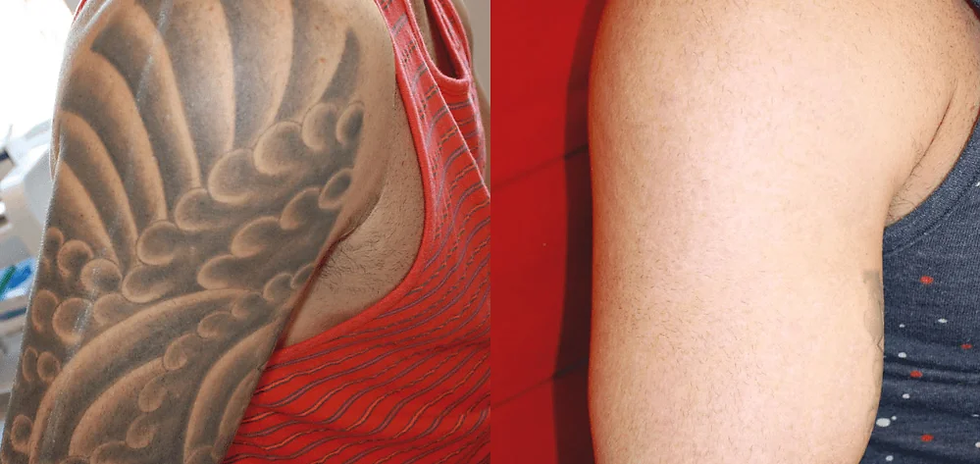
Why Stubborn Tattoo Colors Are Difficult to Remove
Picosure Tattoo Removal in Dubai colors are naturally more resistant to fading because of the way their pigments interact with light energy. Lighter tones like greens, blues, and yellows can be especially challenging since they reflect energy differently compared to darker shades. Black ink is typically easier to break down because it absorbs more light energy, while colored pigments can scatter energy in ways that make them harder to target.
Another reason stubborn colors persist is the depth at which ink is placed in the skin. Some pigments sit deeper, making them less accessible to light-based removal methods. Over time, ink can also settle into more compact particles, which further slows down the fading process. This is why certain tattoos appear unevenly faded when older techniques are used.
How Picosure Technology Works on Ink Particles
Picosure tattoo removal is known for using ultra-short bursts of energy that impact ink particles at a very fast rate. Instead of heating the ink, it creates a pressure-based effect that shatters ink into much smaller fragments. These tiny particles are then more easily processed by the body’s natural cleansing system.
This method is particularly useful for stubborn ink colors because it does not rely solely on heat absorption. Instead, it focuses on mechanical disruption of pigment clusters. When ink is broken into smaller pieces, the body gradually recognizes and removes them over time. This process leads to fading that can appear more even and consistent, especially in complex tattoos with multiple colors.
Effectiveness on Different Tattoo Colors
Different tattoo colors respond in different ways during the fading process. Black ink often shows changes sooner because it absorbs energy efficiently. However, colored inks require more time and repeated sessions due to their reflective properties.
Greens and blues are commonly known for being more resistant, yet they can still show gradual fading as the ink particles become smaller and easier for the body to eliminate. Yellows and lighter tones may take longer to show visible changes because they interact differently with light-based energy. Reds can vary widely depending on the pigment composition, sometimes responding steadily and other times requiring extended time.
Multi-colored tattoos often fade in layers, with darker sections reducing first while lighter or more complex pigments take longer. This uneven response is normal and reflects the different behaviors of ink pigments under targeted energy.
Factors That Influence the Fading Process
Several elements affect how stubborn ink colors respond during removal. Ink depth plays a major role, as deeper pigments take longer to break down. The density of the tattoo also matters because tightly packed ink requires more gradual fragmentation.
Tattoo age can influence results as well. Older tattoos may already have partially broken-down pigment, making them easier to fade compared to newer designs. Skin characteristics can also affect how the body processes ink fragments, which contributes to differences in fading speed among individuals.
Color layering within a tattoo design is another factor. When multiple inks are stacked or blended, some pigments may shield others, slowing down the overall fading progression. Because of these combined influences, the process is often gradual and varies from person to person.
What the Fading Journey Typically Looks Like
The fading process for stubborn ink colors is generally gradual rather than immediate. Over time, ink particles become smaller and less visible as the body works to clear them naturally. Many tattoos show progressive lightening, where certain areas fade faster depending on color and placement.
It is common for tattoos with multiple colors to fade unevenly at first. This is part of the natural progression as different pigments respond at different rates. As the process continues, the overall design becomes lighter and less defined, with stubborn shades eventually becoming less noticeable.
Consistency over time plays an important role in achieving visible changes. Each session contributes to further breakdown of ink particles, gradually improving the appearance of the tattoo.
FAQs
How does Picosure tattoo removal target stubborn ink colors?
It uses ultra-fast energy pulses that break ink into tiny fragments, making it easier for the body to naturally remove pigment over time.
Why do some tattoo colors take longer to fade?
Certain pigments like greens, blues, and yellows reflect energy differently, making them more resistant to breakdown compared to darker inks.

Do all tattoos fade at the same speed?
No, fading speed varies depending on ink type, depth, density, and how colors are layered within the design.
Can mixed-color tattoos be fully addressed?
Mixed-color tattoos can fade significantly, but each color responds differently, leading to a gradual and layered fading process.
Does tattoo age affect fading results?
Yes, older tattoos often fade more easily because the ink may already be partially broken down over time.
Conclusion
Picosure Tattoo Removal for stubborn ink colors offers a structured way to gradually reduce even the most resistant pigments. By targeting ink at a deeper level and breaking it into finer particles, it allows the body to naturally clear complex tattoo designs over time. While different colors respond at different speeds, the overall process supports steady fading, making it a widely recognized approach for those looking to soften or remove challenging tattoo artwork.


Comments